

We'd love if you'd leave us a 5 ⭐ rating & review and it's never been easier: www.ratethispodcast.com/suncast
You can now plug solar panels into a wall outlet in some states.
No permits. No installer or electrician even required?
Just… plug it in.
So who’s responsible when that system starts sending power back into your home, or the grid?
Plug-in solar is moving faster than the standards designed to govern it. And right now, the rules are still being written.
"I wouldn't say it really bubbled up from nowhere" – Rebekah Hren
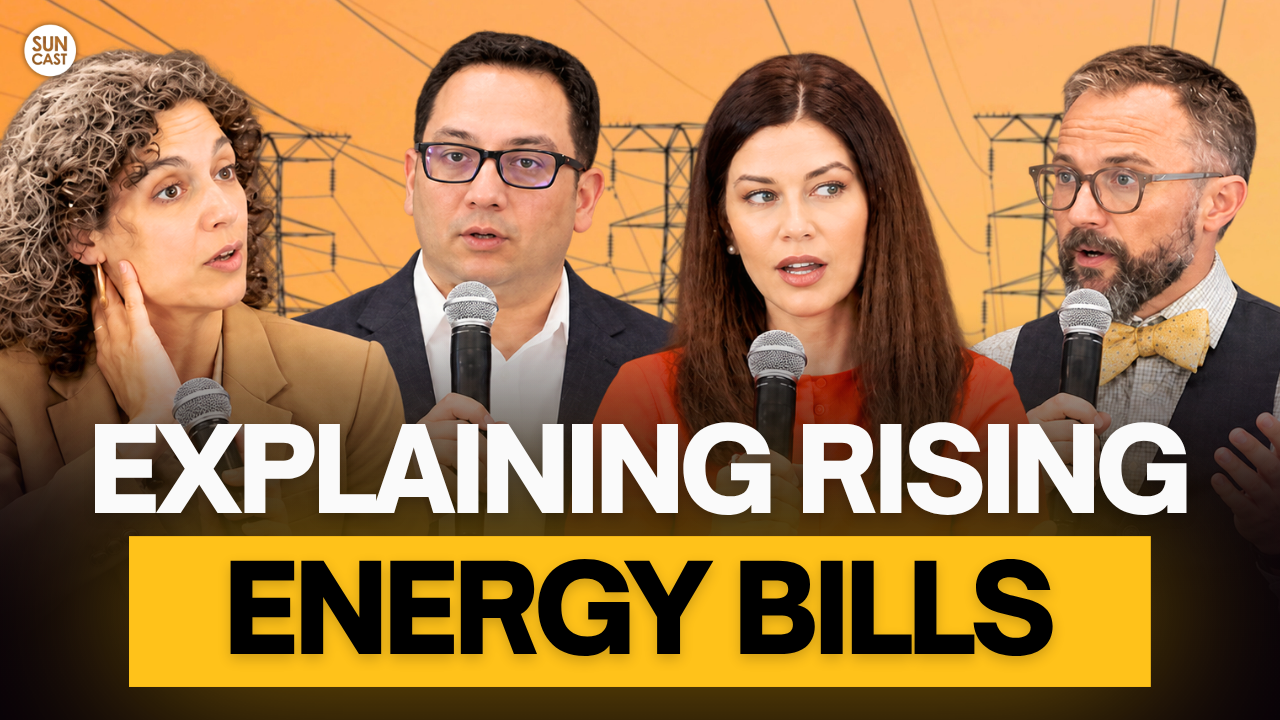
In this conversation, Nico Johnson sits down with two experts at the center of the process. One is helping shape the National Electrical Code, the other bringing products to market. Together, we unpack what actually needs to happen for this category to scale safely.
This isn’t just a new product [category], it’s a new edge case for the entire ecosystem, one where DIY meets infrastructure, and where the lines between safety, enforcement, and responsibility all begin to blur.
Expect to learn:
🔹 Why states are legalizing plug-in solar even before standards are fully defined
🔹 Where the NEC stands on it today, and what’s coming in the next code cycle
🔹 The real risks around circuit overload, ground faults, and backfeeding
🔹 Why utilities might push back
🔹 How much safety can (and should) be built into the product itself (so we can void unnecessary permitting)
If this works, millions more people can generate their own power.
Press play and help us decide, are we ready for this shift?
RESOURCES:
Connect with Rebekah Hren:
Connect with Patrick Barney:
Check out Solar Tech Collective:
Check out Qcells North America:
"It's always easier to create the code right the first time than it is to have to go back and change it" – Patrick Barney
This Podcast is Free For You
Thanks to Our Sponsors
The following are Corporate Partners who have helped make SunCast possible:
Platinum Sponsor
The following are Corporate Partners who have helped make SunCast possible:

Noteworthy Quotes:

Nico Johnson
Entrepreneur & Podcaster
In my 20 year career, I've worked with dozens of entrepreneurs, intrapreneurs and professionals in transition to clarify their mission, set or stretch their goals, and work through the barriers to their growth.

Latest episodes

We’re Excited to Hear from You!
Don’t hesitate to reach out—whether you’re here to learn, share ideas, or work with us, we’re ready to connect.